Life is a Game:
Play, Enjoy & Win It!
The excitement, curiosity and consistency.
The name that become the pattern.
My surname is "Sinanda Putra". In Indonesian, it simply means "the son of Sinanda". But "Sinanda" (신난다) happens to mean "awesome" or "excited" in Korean. Maybe a clue to my own nature.
My Chinese given name, 炫光, means "dazzling light." I'm told it's fitting — though sometimes my brightness (read: blunt truth) can be a discomfort for some people's eyes.
The playfulness and the wholeness.
Living is about choice, and I choose to see it all as an exciting game — whether it’s the pattern and coherence of insurance work, the structure of a book, or the thrill of football tactics, pushing physical limits, and diving deep into a YouTube playlist. The same current of curiosity runs through everything.
Maybe that's the dazzling light at work: it doesn't just shine on the pretty side. It exposes the cracks, the contradictions, and the truths we usually avert our eyes from. It makes compartmentalization impossible. You can't un-see the connections once they're lit up.
This game has no boundary lines. That’s the need I keep feeding: a need for boundlessness. Not escape, but expansion. Not chaos, but the refusal to let any single identity — consultant, writer, spiritualist, athlete — define the whole.
Part-time yogi, part-time athlete.
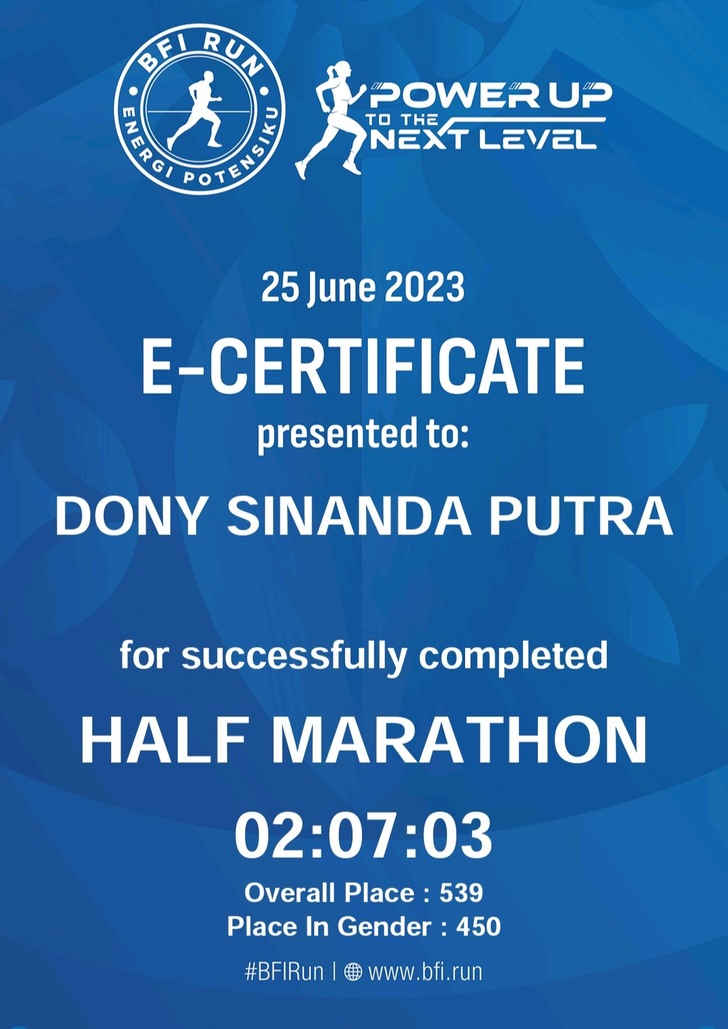
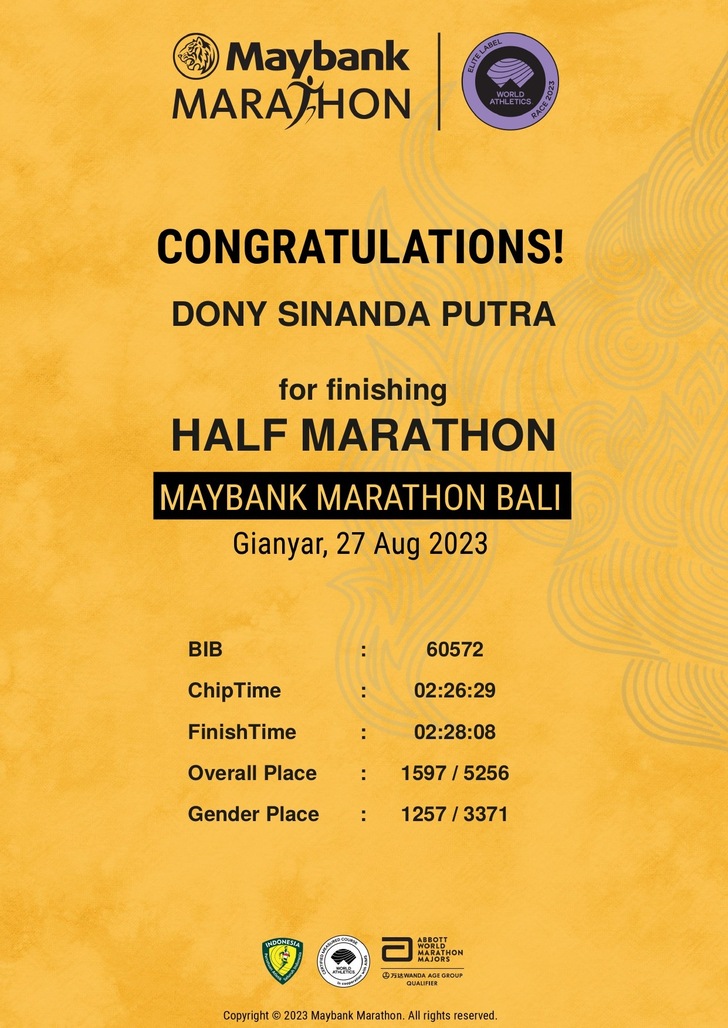
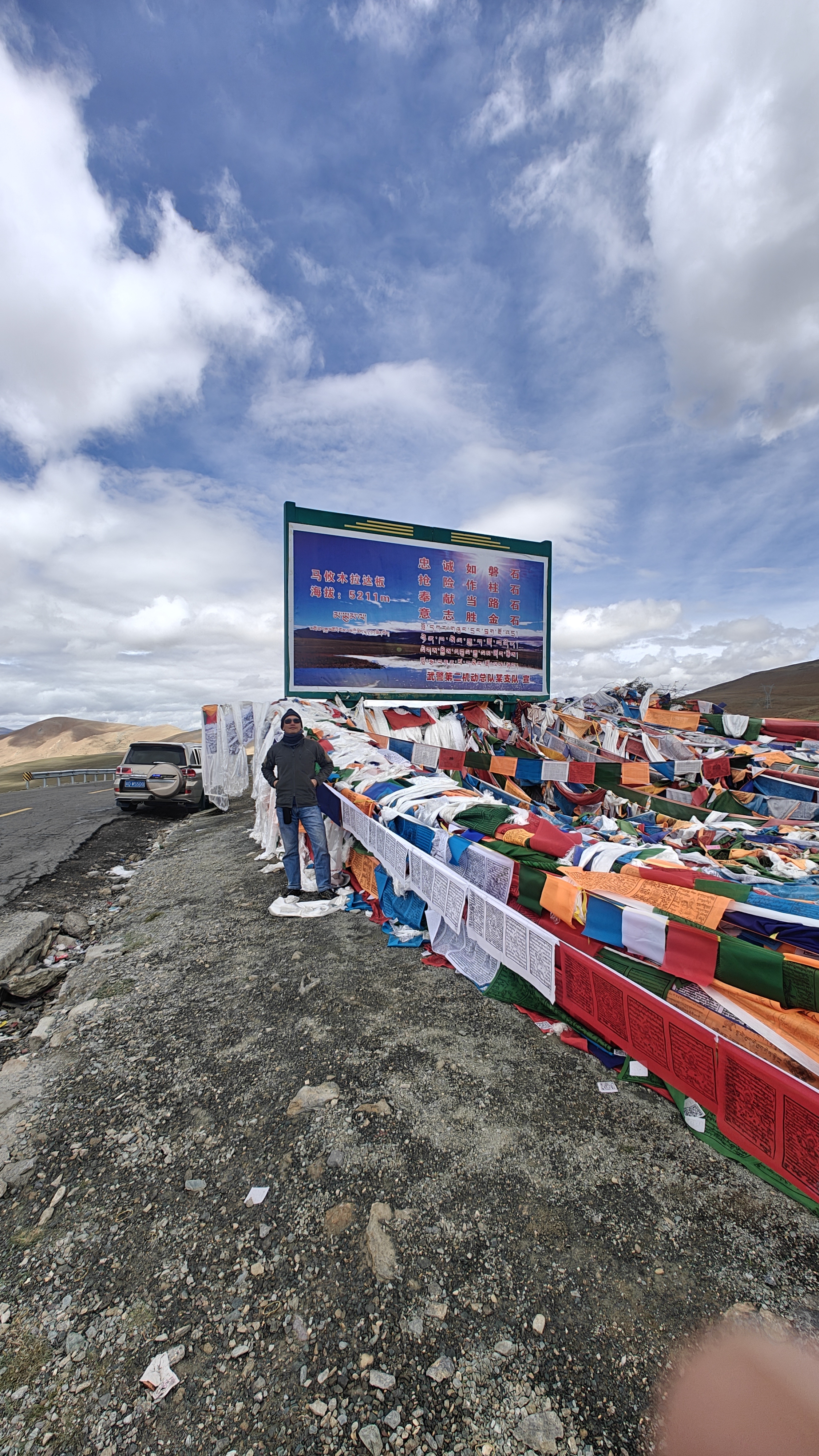
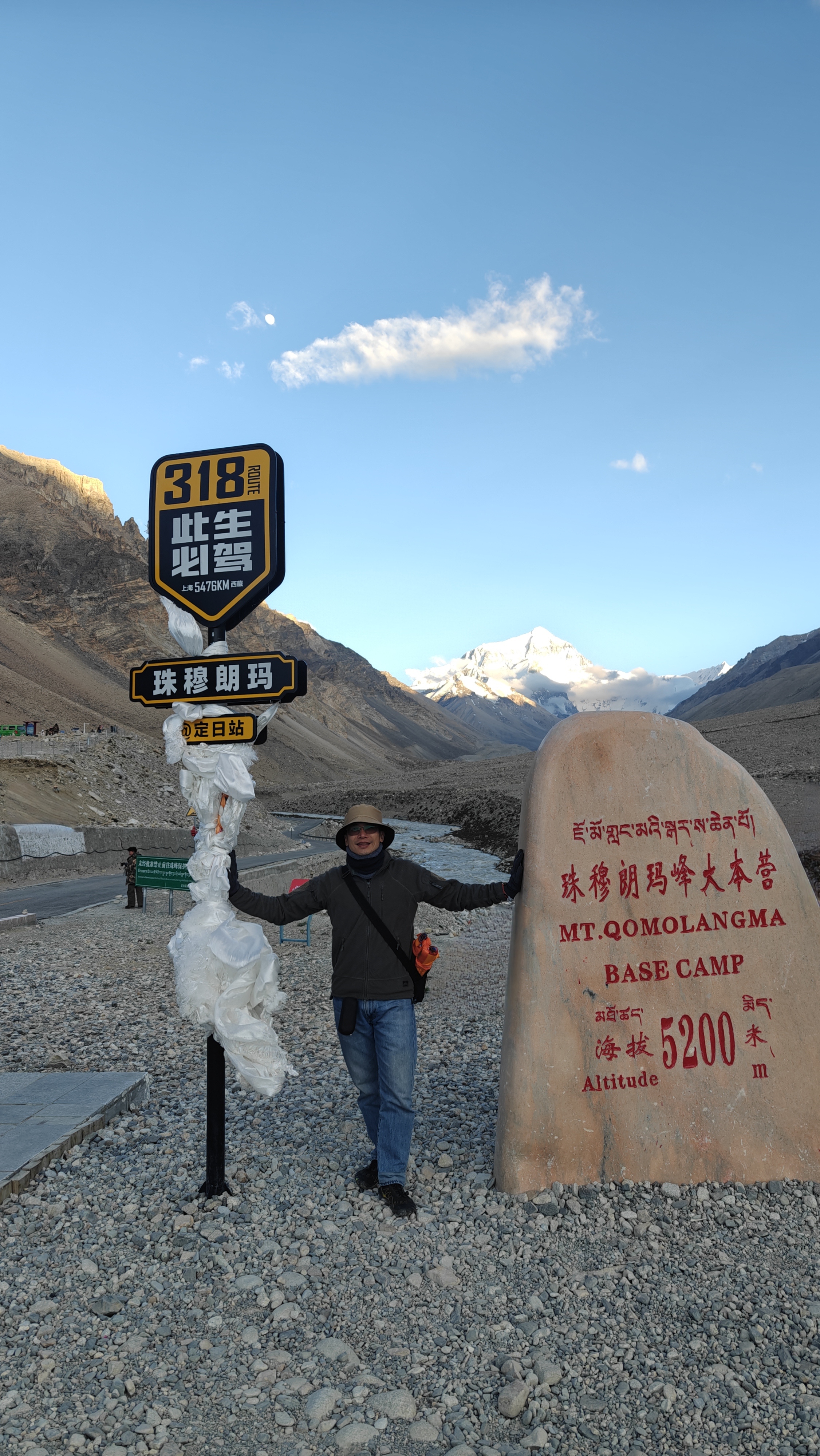
I'm nearing 50 and still in very good shape — not from rigid discipline, but because a body that moves freely supports a life without limits. And inside, I’m still that child who cannot be pinned to a study desk, who needs to burst out his exuberance into the open.
Movement is not about fitness goals. It is the simplest way I know to touch boundlessness—to feel the edges of the self dissolve into air, water, road, and breath.
Two to three hours of Isha Yoga each day make total inactivity impossible; the practice builds an inner momentum so intense that it has to overflow into movement. That overflow is exactly what opens the door to true stillness.
“Stillness is not a practice but a consequence — something that descends effortlessly only after all the energy that needs to express itself has been channeled out.” (Sadhguru)
Thirty years of Winning Eleven / PES / eFootball.
Since the late-nineties — Winning Eleven 3 on PlayStation 1. The franchise has changed names twice and shifted from disc to digital, but the logic of the game has not fundamentally changed: read the opponent's system, exploit the gap, build the right combination before the window closes.
That is, structurally, the same thing I do when building an insurance product, designing a research architecture, or preparing for the Kailash Kora. The domain is different. The pattern recognition is the same.
eFootball (Konami) — continuing a franchise relationship that predates smartphones, streaming, and most of the internet infrastructure this site runs on. Fair warning: nearly thirty years of muscle memory.
The intellectual tradition of questioning received frameworks.
Regular viewer of Guru Gembul, Malaka Project, Forbidden Questions (Kumaila Hakimah), Close the Door, and similar Indonesian channels that sit at the intersection of critique, cultural analysis, and popular philosophy. The common thread: a willingness to ask the questions that received wisdom has decided should not be asked.
That tradition — the minority perspective, the awkward question, the critique that institutional culture absorbs and neutralizes — is exactly what Beyond Tolerance, Buddhist KTP and Shadow of the Sun try to do in print. The alignment is not coincidental.
"Maybe one day I'll start my own channel — representing the misunderstood minority voice, the way the books try to do in print."
37-episode chapter-by-chapter video series
A planned YouTube and Instagram series taking each chapter of Buddhist KTP through audio-visual treatment — for audiences who follow the discourse but don't read 290-page nonfiction books. Not yet launched. The channel and account are held. The right moment is after the book finds a publisher and the dissertation is defended.